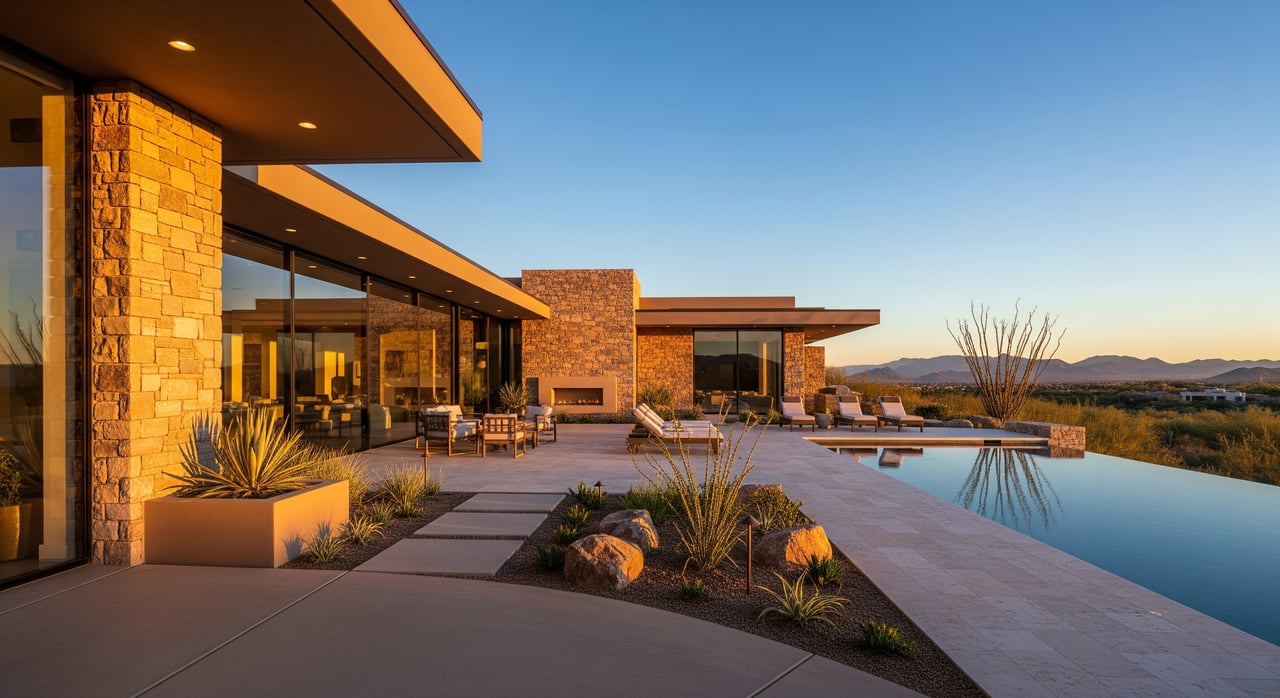
Arizona Earnest Money Explained for North Scottsdale Homes
November 21, 2025
November 21, 2025
Writing an offer on a North Scottsdale home. Your earnest money will do more than hold your place in line. If you want to compete in Paradise Valley Village without taking on unnecessary risk, you need a clear plan for your deposit, timelines, and contingencies. In this guide you’ll learn how earnest money works in Arizona, typical amounts in this market, the deadlines that matter, and how inspections and repair requests connect to deposit protection. Let’s dive in.
Earnest money is your good‑faith deposit that shows a seller you are serious while you complete due diligence and financing. In Arizona, it lives inside your purchase contract. The agreement sets the amount, where it is held, when it is due, and when it is refundable or forfeited.
Your deposit is typically placed with a title company or escrow agent and held in an escrow or trust account until closing. If the deal closes, it generally applies to your purchase funds. If the deal does not close, release of the deposit depends on the contract and any termination rights you exercised on time.
If there is a dispute over who should receive the money, the escrow holder will wait for written joint instructions, a court order, or the contract’s dispute process. Escrow does not decide who is right or wrong.
In many Phoenix and Scottsdale transactions, the seller names a preferred title or escrow company in the purchase agreement. Your earnest money goes there within the delivery window set in the contract. The escrow holder follows written instructions from the parties and the contract provisions.
Because the deposit sits with a third party, accuracy and timing matter. Deliver the correct amount, confirm receipt, and keep your wiring confirmation and escrow number for your records.
Across metropolitan Phoenix, a common range is approximately 1% to 3% of the purchase price as earnest money. In multiple‑offer situations, buyers sometimes offer 3% to 5% or more to signal stronger commitment.
In Paradise Valley Village and the broader North Scottsdale luxury corridor, sellers often look at both percentage and absolute dollars. A 1% deposit on a $3 million property feels different than 3% on a $750,000 property. Your number should fit the price point and your risk tolerance.
Consider these factors when choosing your deposit:
A practical approach for many luxury or move‑up buyers is a larger deposit paired with clearly defined inspection and financing protections. This communicates confidence without exposing you to unnecessary loss.
Your contract will spell out when and where to deliver earnest money. Common practice is delivery within 48 to 72 hours after both parties sign, but the actual number of banking days is negotiable.
You will also negotiate a buyer’s inspection or due‑diligence period. Many Phoenix‑area offers use 7 to 10 days, though complex or luxury properties can warrant more time. Financing timelines vary by loan type, with many close of escrow dates targeted 30 to 45 days from acceptance.
Build your timeline with your agent and lender so you can meet each deadline with ease. The dates you choose can be as persuasive as the deposit itself.
Contingencies are the safety valves that preserve your earnest money when used correctly and on time.
Always track your contingency deadlines. If you continue past a deadline without resolution, your risk of losing the deposit increases if you later default.
Many Arizona purchase contracts include an option that, if selected, allows the seller to retain the earnest money as liquidated damages if the buyer defaults. Whether this box is checked is a key negotiation point. If it is not selected, the seller’s remedies can include seeking actual damages or specific performance, subject to the contract.
Before agreeing to liquidated damages or any non‑standard deposit language, understand how it affects your exposure. Ask your agent to explain how that election has been used in recent North Scottsdale luxury transactions and consider legal advice if needed.
The inspection period is your time to learn the property. For North Scottsdale luxury homes, consider both general and specialized inspections such as pool and spa systems, HVAC, roof, foundation or slab, solar systems, termite and wood‑destroying organisms, and any unique features like elevators, wine rooms, or detached guest spaces.
During the inspection window, you can submit a written repair request or ask for credits or a price adjustment. The seller can accept, counter with some repairs or credits, or decline. If you cannot reach agreement and your termination rights remain intact, you may cancel within the inspection period and usually recover your deposit.
Three common outcomes affect the deposit:
To protect yourself, use the contract’s repair and response forms, meet each deadline, and document agreements in writing.
You can signal commitment without giving up essential protections. Consider these options when you write in Paradise Valley Village:
Your goal is a confident, clean offer that respects the seller’s need for certainty while preserving your ability to walk away if contract‑approved issues arise.
Use this quick list to build a competitive and protected offer:
Most earnest money today is wired for speed, and wire fraud is a real risk. Protect yourself by verifying wiring instructions using a known phone number for the title company or an in‑person visit. Do not rely on email alone for last‑minute changes. Follow the escrow company’s anti‑fraud procedures and confirm receipt of funds immediately.
Your earnest money is a negotiation tool and a safety net. In Paradise Valley Village and North Scottsdale, sellers notice both the percentage and the dollar amount, but what matters most is how well your deposit aligns with clean timelines and smart contingencies. Use a strong amount to communicate confidence, then rely on inspection, financing, and appraisal protections to keep the offer competitive and safe.
If you want a tailored strategy for your next offer, reach out to a trusted local advisor who negotiates in this corridor daily. For discreet guidance, private opportunities, and a calm, confident process from first showing to close, connect with Amy D. Brown.

New Listing
$900,000 • 2 Bed • 2 Bath • 1.06 Acres • Detached Art Studio
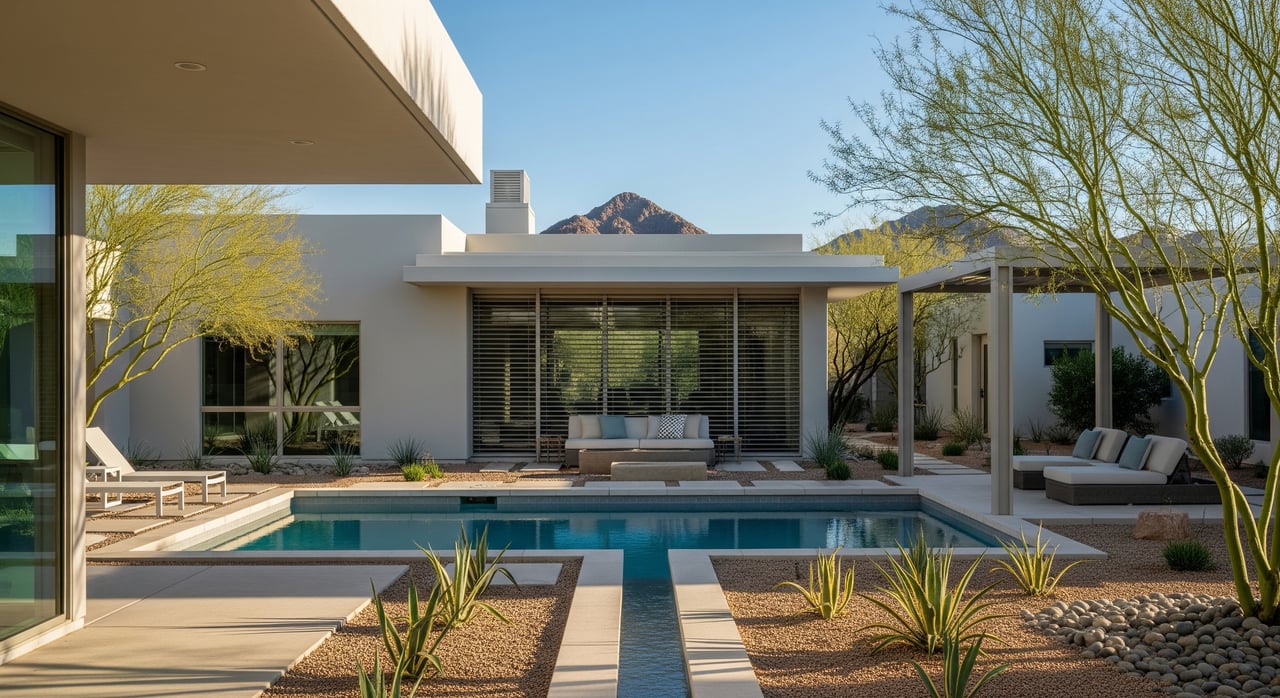
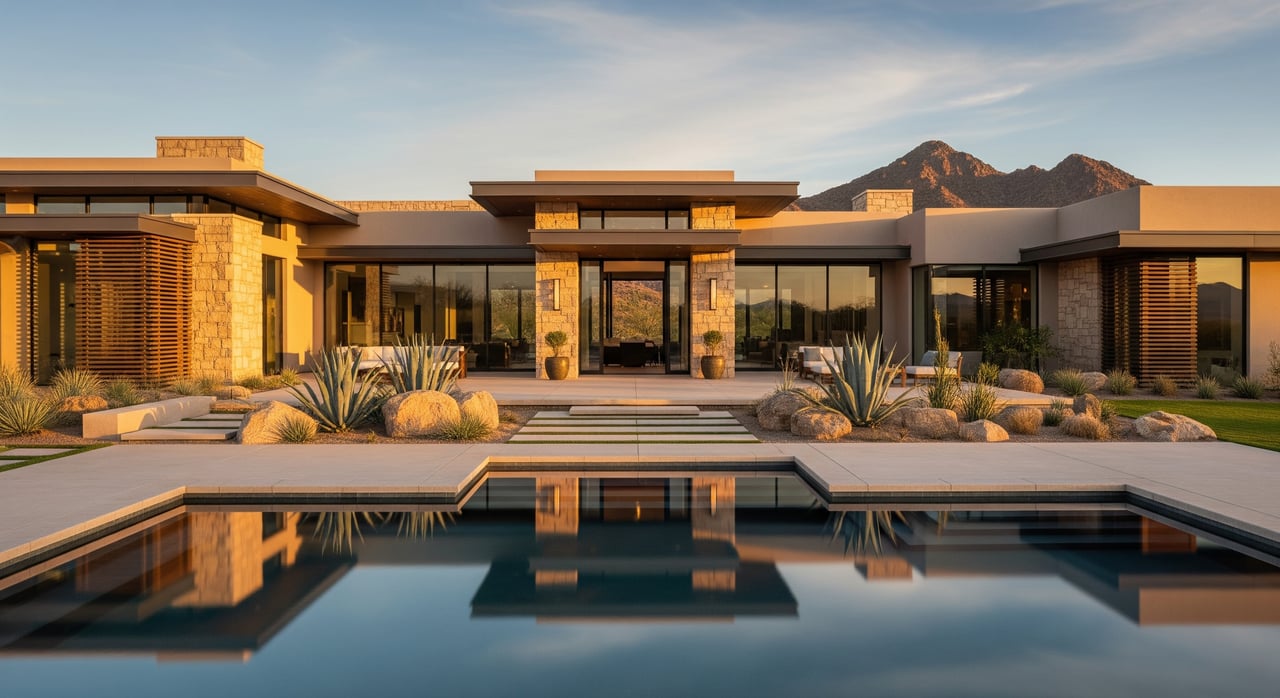
175 Arabian Drive | 2 Bed • 2 Bath • 1.06 Acres + Detached Art Studio

Team Update
I’m excited to welcome two new members to my team!
Amy combines her in-depth market insights with a tenacious work ethic. Whether you're looking to buy, sell, or invest, Amy is the dedicated professional you want by your side, guiding you every step of the way.