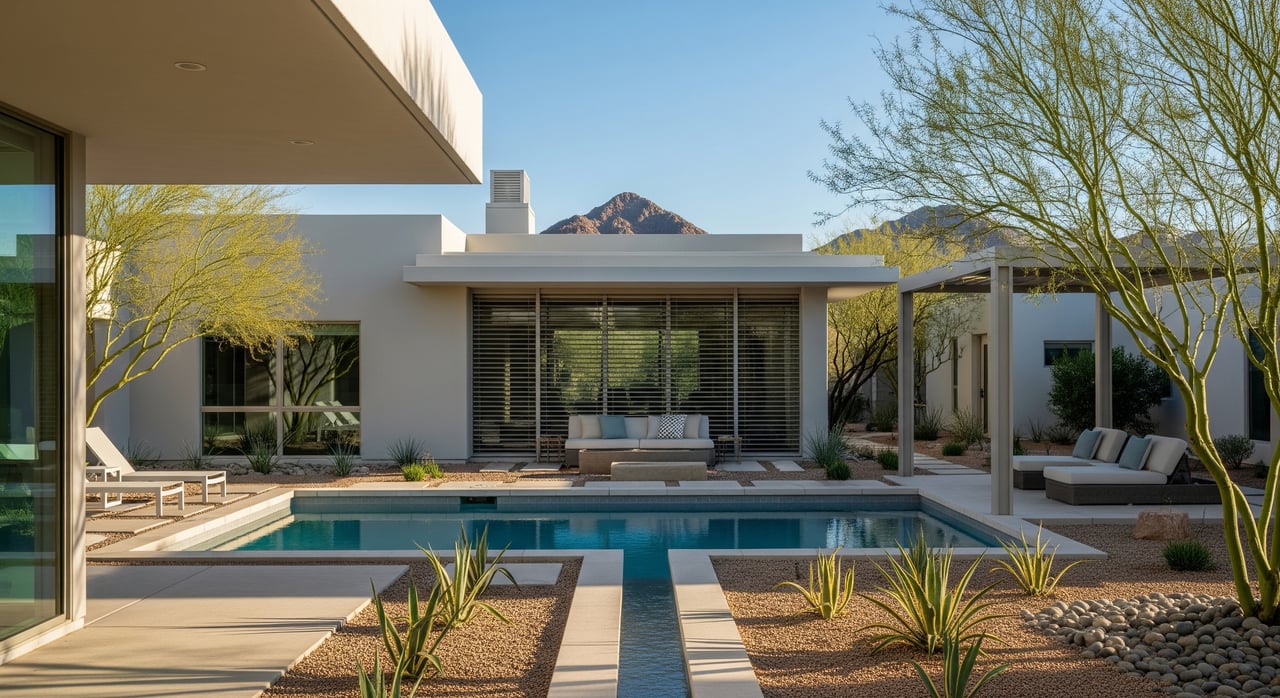
Paradise Valley Heat Pump Strategies for Quiet Cooling
October 16, 2025
October 16, 2025
Is your AC the loudest guest at your home during Phoenix’s hottest months? In Paradise Valley estates, you need powerful, reliable cooling that does not dominate your patio conversations or disturb sleep. With the right equipment, placement, and design choices, you can lower noise while keeping every room comfortable. Below you will find practical strategies tailored to Paradise Valley Village, plus program and code insights to help you plan with confidence. Let’s dive in.
Paradise Valley faces long, intense summers where daytime highs often top 100 degrees and nights stay warm, which drives long AC run times. According to historical climate data for Phoenix Sky Harbor, hotter and longer summers are the norm, so reducing peak load saves money and runtime noise (climate overview).
If your address is in Paradise Valley Village within the City of Phoenix, municipal nuisance rules apply to “unreasonably loud and disturbing noises.” Persistent, plainly audible mechanical noise can lead to complaints and enforcement, so plan outdoor equipment placement and screening thoughtfully (City of Phoenix code). If you are in the separate Town of Paradise Valley, confirm the correct jurisdiction before you proceed.
Modern variable‑speed central systems are much quieter at part load than older single‑stage units. Manufacturers publish dBA ratings, so compare model data sheets when you shop. A right‑sized, variable‑speed system can deliver whole‑home comfort without the cyclical roar many owners dislike.
Ductless indoor heads can be extremely quiet, making them ideal for bedrooms and offices. Many models list very low indoor sound pressure levels, and published spec sheets let you compare exact dBA by mode and distance (example manufacturer specs). Outdoor mini‑split condensers still produce sound, so placement and screening matter.
Evaporative systems can feel like large fans and work best when air is dry and temperatures are moderate. In the Phoenix area, extreme heat and monsoon humidity reduce their usefulness for whole‑house cooling. They can still be helpful for shaded outdoor spaces when maintained well.
Whole‑house fans pull cool night air through your living areas and push heat to the attic. They use far less electricity than AC and are most effective when nights cool down. Many Paradise Valley homes use them as a complement rather than a replacement for refrigerated AC.
Choose inverter compressors and variable‑speed indoor fans. These modulate capacity, reduce start‑stop cycling, and run more quietly at part load. Compare decibel ratings across models using manufacturer sheets before you buy (spec comparison example).
Sound falls roughly 6 dB every time you double the distance from a source, so a few extra feet can make a big difference at patios or bedroom walls (basic acoustics rule). Avoid placing condensers under windows or directly against sleeping areas. Face the fan discharge away from sensitive spots.
Install anti‑vibration pads and rubber isolators under outdoor units. Tighten panels and fasteners, and keep fins clean to avoid rattles or tonal noise. Simple maintenance often removes the harshest sounds.
Louvered acoustic screens, ventilated fences, or dense planting can cut perceived noise at seating areas. Maintain manufacturer clearances and airflow to protect performance and equipment life. “Sound blankets” can help a little when installed correctly, but expect modest gains and ensure service access remains clear (screening tips).
Oversized systems short‑cycle, run louder, and feel less comfortable. Ask for a Manual J load calculation and proper airflow balancing. SRP’s Cool Cash rebates require specific documentation for certain systems, which helps ensure quality design and commissioning (SRP rebates and requirements).
Better insulation and sealed ducts reduce heat gain, cut run time, and lower overall noise hours. Many utility incentives reward duct and air sealing when paired with high‑efficiency equipment (SRP program details).
External shading, improved glazing, and low‑E films keep rooms cooler without turning up the system. Cool roof coatings in hot, sunny climates like Phoenix can deliver measurable energy savings and comfort improvements (cool roof research). For landscape shade, consider drought‑tolerant options often recommended locally such as palo verde, desert willow, and mesquite, and consult professional guidance for placement and care (tree care resources).
SRP offers tiered incentives for high‑efficiency AC, heat pumps, and ductless systems. Approved contractors, correct paperwork, and sometimes load calculations are required, so confirm details before you start (SRP Cool Cash). Arizona’s state programs that deliver federal funds have changed over time, so check the official site for current availability and eligibility (Efficiency Arizona).
At the federal level, the Energy Efficient Home Improvement Credit may reduce costs for qualifying equipment and envelope upgrades. Review current rules and annual limits with a tax professional and the state’s clean energy hub for guidance (tax credit overview).
Paradise Valley Village is a City of Phoenix urban village, while the adjacent Town of Paradise Valley is a separate municipality. Jurisdiction affects code enforcement and sometimes utilities and rebate options. Confirm where your property sits and follow the applicable rules, including Phoenix’s nuisance provisions for mechanical noise if you are within city limits (city code reference). For incentives, verify your utility service territory and program eligibility before you begin.
Quiet cooling in Paradise Valley is a systems approach. Choose low‑noise, variable‑speed equipment, place it wisely, isolate vibration, and reduce heat gain with shading, insulation, and cool roof strategies. Thoughtful planning protects comfort, outdoor living, and neighborhood harmony.
If you want to understand how quiet cooling can elevate daily living and add market appeal to your next move, let’s talk. Reach out to Amy D. Brown for discreet, expert guidance tailored to Paradise Valley luxury properties.
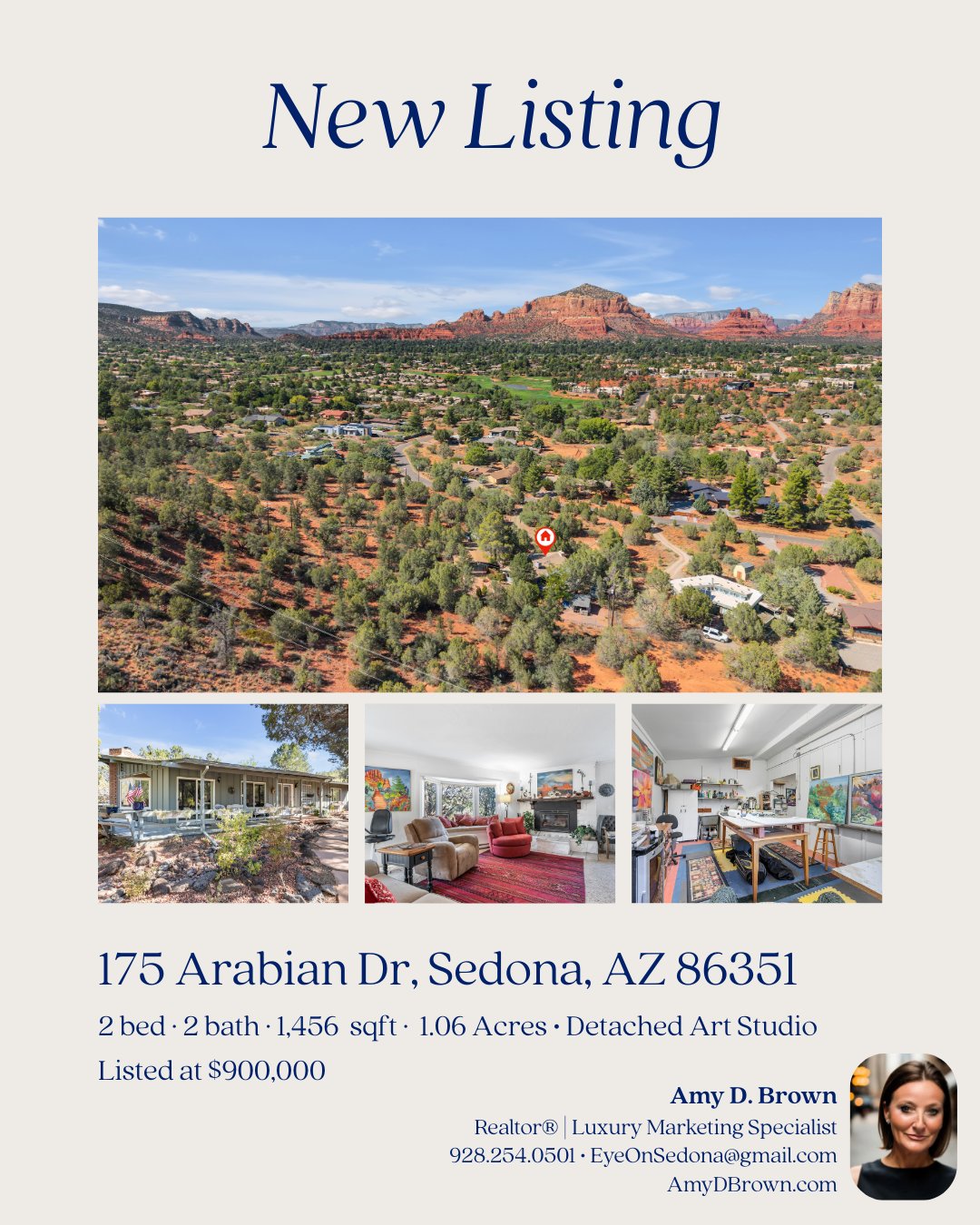
New Listing
$900,000 • 2 Bed • 2 Bath • 1.06 Acres • Detached Art Studio
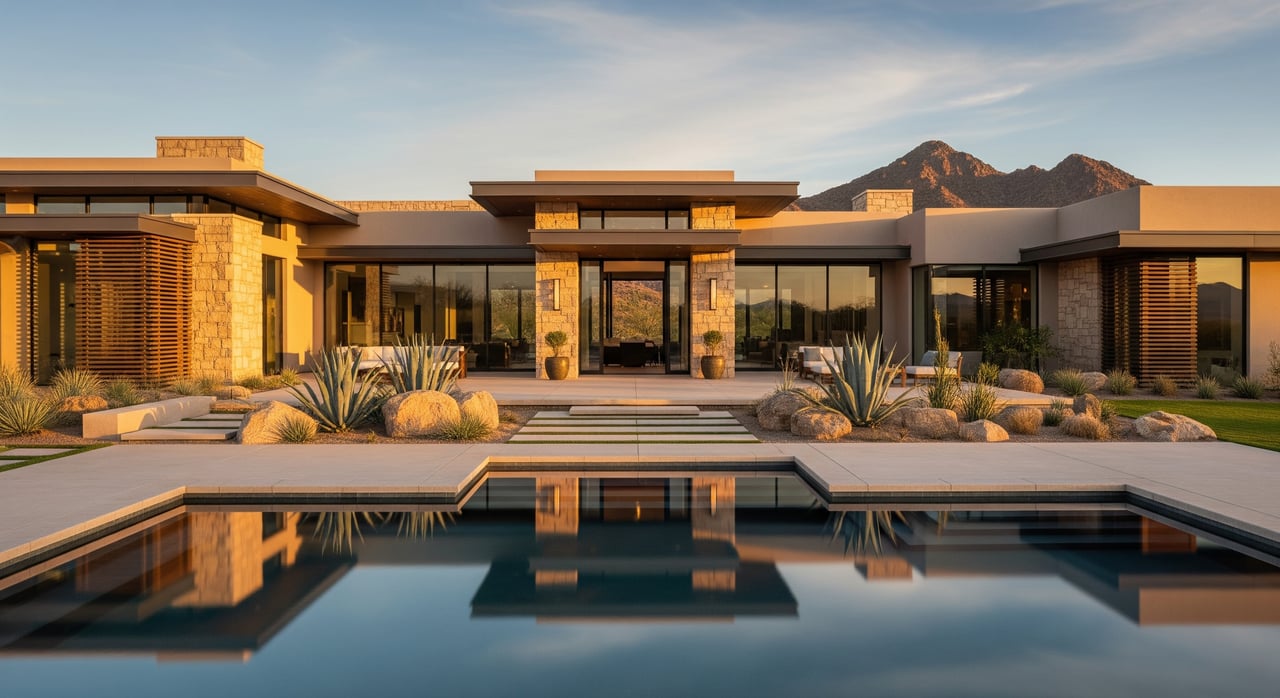

175 Arabian Drive | 2 Bed • 2 Bath • 1.06 Acres + Detached Art Studio

Team Update
I’m excited to welcome two new members to my team!
Amy combines her in-depth market insights with a tenacious work ethic. Whether you're looking to buy, sell, or invest, Amy is the dedicated professional you want by your side, guiding you every step of the way.