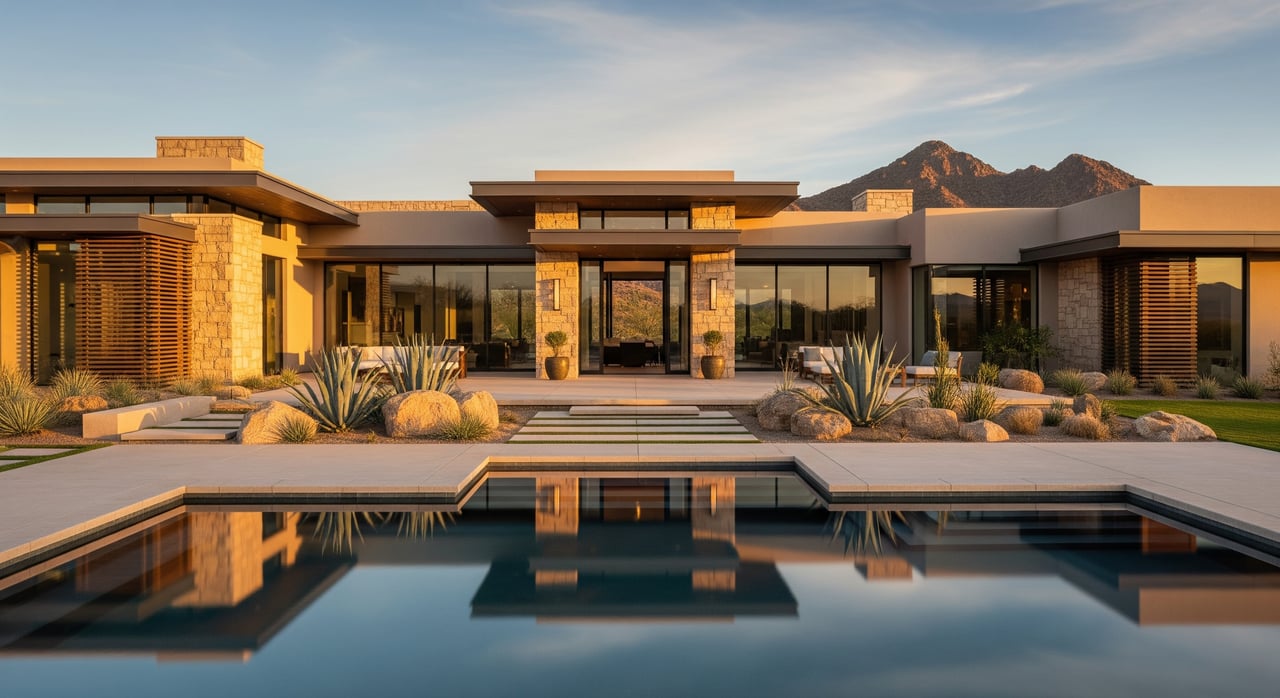
1031 Exchange into a Paradise Valley Village Desert Estate
November 6, 2025
November 6, 2025
Thinking about swapping a duplex for a Paradise Valley Village desert estate without a big tax bill today? You are not alone. Many investors want to rebalance into a premium single‑family asset while keeping capital working. In this guide, you will learn how a 1031 exchange can help you trade into a high‑end desert estate in Paradise Valley Village, how to navigate the 45/180‑day deadlines, and what to expect in this luxury market. Let’s dive in.
A 1031 exchange lets you defer federal capital gains taxes when you sell an investment property and buy another real property that you also hold for investment or business use. Since tax law changes in 2017, 1031 applies to real estate only. U.S. property is generally like‑kind to other U.S. property.
Arizona typically conforms to federal 1031 treatment. Still, you should confirm state reporting and any special rules with your tax advisor. To qualify, you must use a Qualified Intermediary, often called a QI, to hold the sale proceeds. You cannot touch the money or you risk taxable “boot.”
Two hard clocks start when your relinquished property closes. They run at the same time and are not negotiable:
There are three common identification methods:
The practical move in a low‑inventory market like Paradise Valley Village is to identify more than one viable estate under the 3‑property or 200% approach so you have backups.
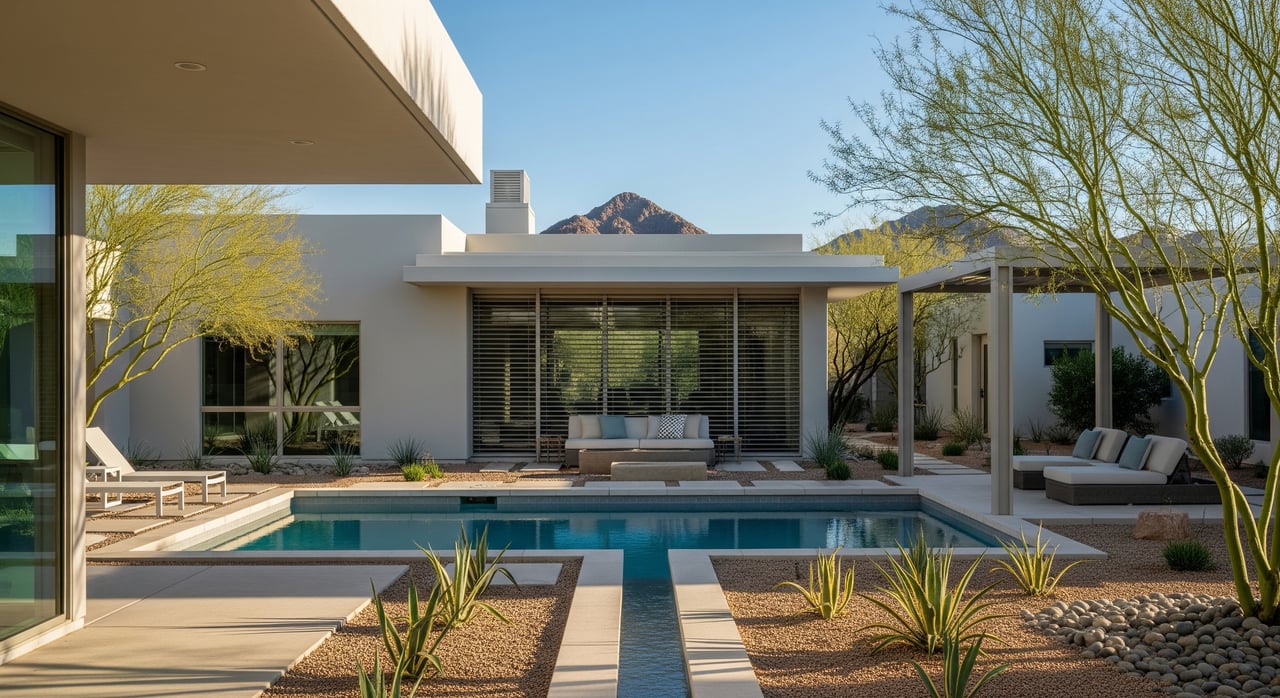
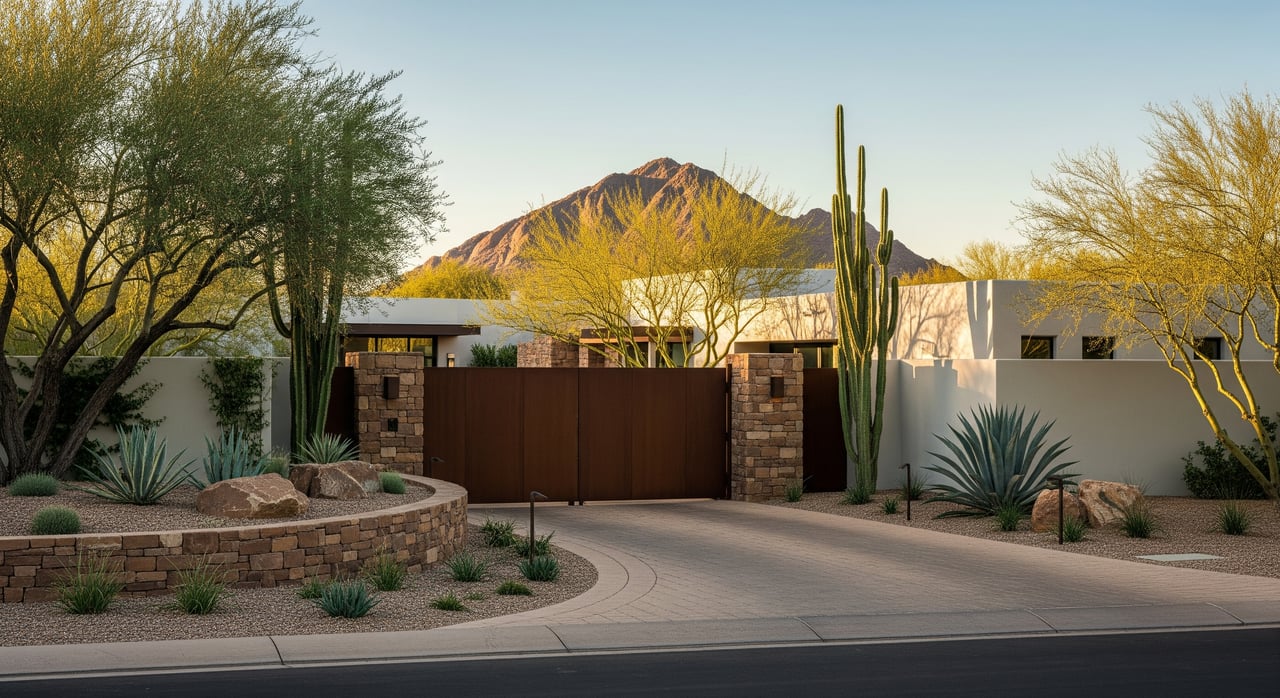
Paradise Valley Village sits in north and central Phoenix near the Town of Paradise Valley and Scottsdale. You will find luxury single‑family homes on larger lots with desert landscaping, privacy features, and resort‑style outdoor living. True desert estates with acreage feel, views, and amenities can be scarce. When a standout listing hits, it can move quickly.
Expect two broad types of opportunities:
You will also see gated enclaves and HOA communities. HOA covenants, fees, and design guidelines can shape what you do with the property. If you plan to rent, confirm short‑term rental restrictions before you identify the property for your exchange.
Moving from a duplex to a single luxury estate often reduces near‑term rental income unless you rent the estate full time. Management also changes. A high‑end home may need pool, landscape, irrigation, and specialty maintenance vendors. Budget for that and compare net cash flow to your current asset.
Luxury one‑off estates can be harder to appraise. Lenders may require more comparable sales and higher reserves. This can slow underwriting. Get ahead of it early so you can close within the 180‑day window.
If you find the perfect PV estate before you sell your duplex, a reverse exchange lets you acquire first. An Exchange Accommodation Titleholder holds title, and you have 180 days to sell the relinquished property. Reverse exchanges cost more and require careful planning, but they can secure a rare property in a thin market.
You have three practical structures:
All structures still follow the 45/180‑day rules, with timing measured from the relevant transfer dates.
To fully defer tax, you generally need to buy a replacement property of equal or greater value and take on equal or greater debt, or add cash to make up any debt shortfall. If your replacement mortgage is less than your old mortgage, that shortfall can be taxable “mortgage boot” unless you add cash. Any cash or non‑like‑kind property you receive is taxable boot.
Work with your lender early and model your debt so you avoid surprises. Jumbo or portfolio loans are common for luxury homes. Underwriting may treat rental income differently than an owner‑occupied loan.
A 1031 does not erase gain. It defers it. Your basis in the new home carries over from what you sold, adjusted for cash you add or boot you receive. Depreciation continues on the building portion under residential rental rules.
When you eventually sell the replacement property in a taxable sale, the deferred gain and prior depreciation can be taxed. Depreciation recapture is subject to a special federal rate, and the rest is capital gain. State taxes may apply.
Thinking about converting your PV estate to personal use later? 1031 requires that you acquire and hold the replacement property for investment or business use. There is no fixed holding period in the law, but many professionals suggest documenting investment intent and holding for at least two years. If you later make it a primary residence, the rules that allow you to exclude some gain on a personal home can be complex. Prior depreciation is not excluded, and timing matters. If you plan part‑time personal use while renting, track days carefully and follow allocation rules so you preserve your investment posture.
Cost segregation can accelerate depreciation on certain components of a high‑value estate, which may lower current taxes. It can also increase future recapture on exit, so consider it in a full portfolio plan.
Because Paradise Valley Village is within the City of Phoenix, confirm the following for each target property:
These checks help you avoid identifying a property that cannot meet your plan within the exchange timeline.
Luxury estates often need specialized inspections beyond a standard home check. Build extra time into your due diligence for:
If you rely on financing, order the appraisal early and keep close contact with underwriting so timeline hiccups do not threaten your 180‑day close.
Use this short checklist to stay on track:
Before listing what you will sell:
While marketing your sale and searching in PV:
After your relinquished sale closes:
If you plan to convert to personal use later:
Trading a duplex or out‑of‑state rental into a Paradise Valley Village desert estate can be a smart portfolio move. The keys are simple: respect the 45/180‑day deadlines, use a reputable QI, pre‑identify more than one property, and coordinate lending, appraisal, and inspections early. Build your plan with your CPA and a local luxury advisor who understands PV’s low‑inventory landscape, HOA and city rules, and the practical timeline of a 1031.
If you want a discreet, high‑touch search and help coordinating your exchange from end to end, let’s talk. Get Access to My Private Listings with Unknown Company.

New Listing
$900,000 • 2 Bed • 2 Bath • 1.06 Acres • Detached Art Studio
175 Arabian Drive | 2 Bed • 2 Bath • 1.06 Acres + Detached Art Studio

Team Update
I’m excited to welcome two new members to my team!
Amy combines her in-depth market insights with a tenacious work ethic. Whether you're looking to buy, sell, or invest, Amy is the dedicated professional you want by your side, guiding you every step of the way.