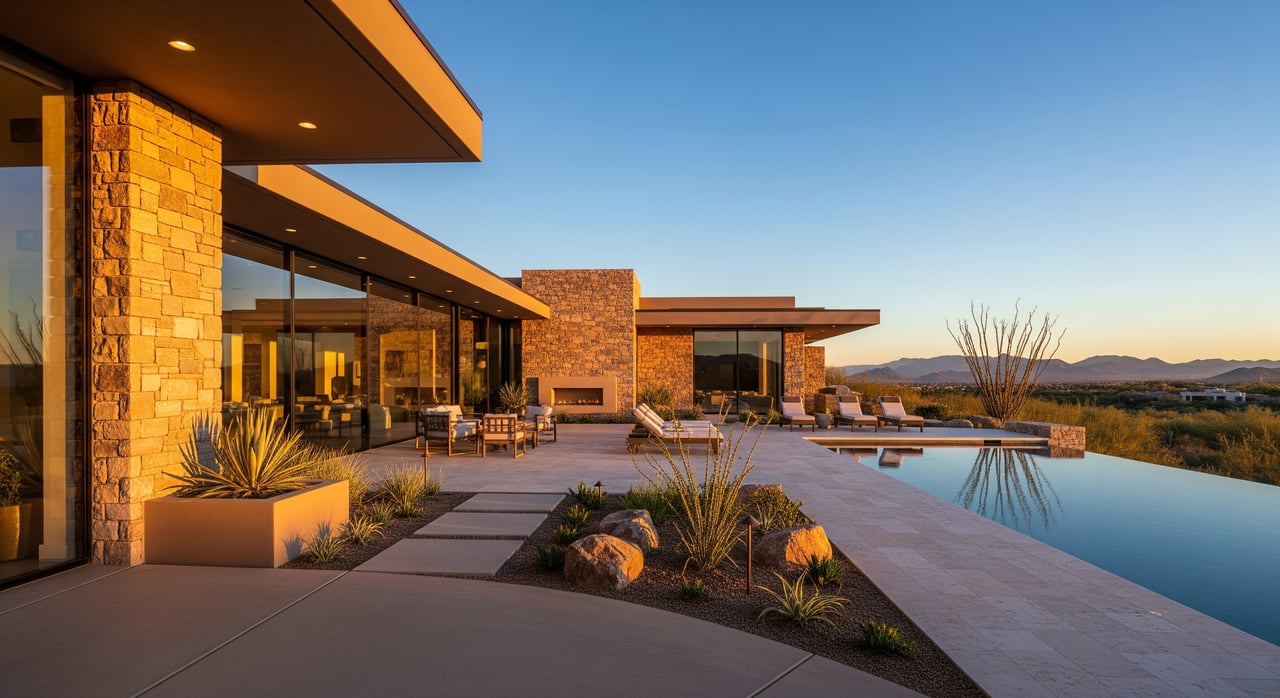
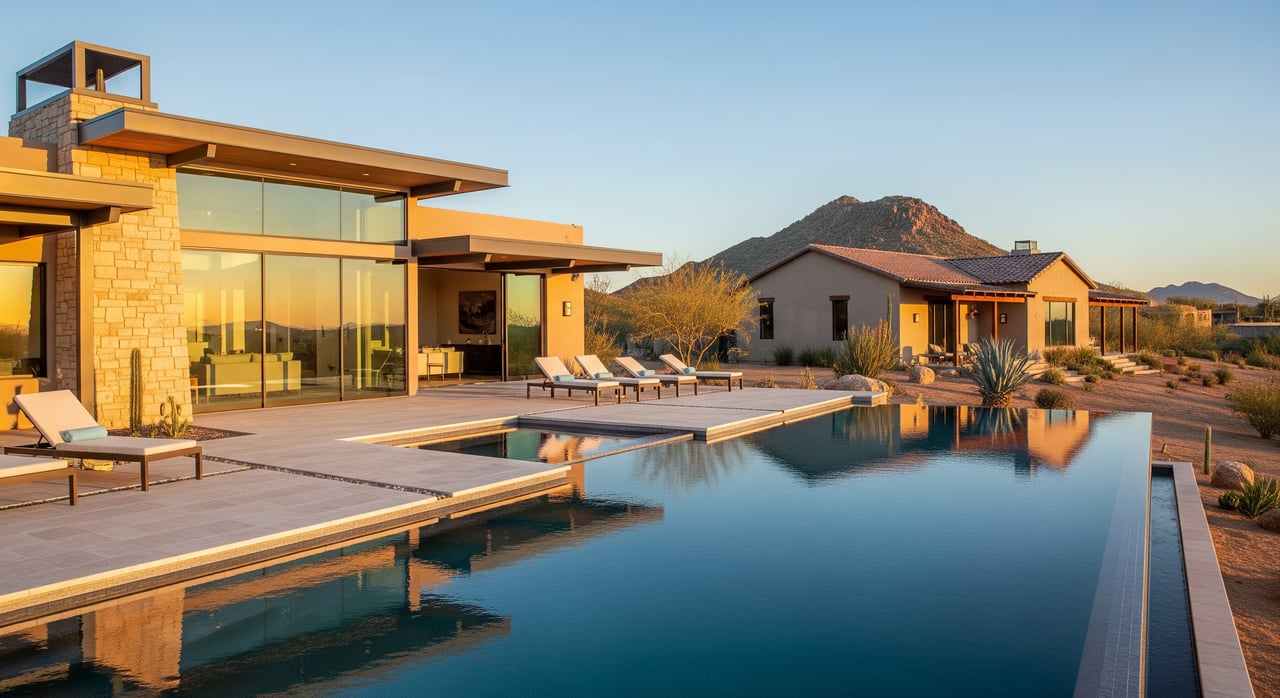
Thinking about selling your acreage, equestrian, or creek‑side home in Cornville? You know buyers will fall for big skies, usable land, and water views, but they also look closely at wells, septic, fencing, and flood risk. With a focused prep plan, you can showcase the lifestyle while removing friction at inspection and appraisal. This guide gives you practical steps tailored to Cornville and Yavapai County so you can list with confidence and sell smoothly. Let’s dive in.
What Cornville buyers expect
Lifestyle buyers in the Verde Valley want privacy, functional acreage, and dependable systems. They pay close attention to well performance, septic condition, defensible space for wildfire, and safe, well‑maintained fencing. Equestrian buyers look for barn and arena quality, trailer access, hay and tack storage, and turnout capacity. Creek‑side buyers value visual appeal and access, but they also ask about floodplain status, bank stability, and any environmental constraints.
Seasonal conditions matter. Summer monsoons and winter or spring flows can change how creeks look and how banks hold. Setting clear expectations and documenting your property’s performance through the seasons helps you attract serious, qualified buyers.
Gather key documents early
Collecting the right paperwork before you list speeds up buyer diligence and reduces renegotiations.
- Current deed and legal description, plus any recent survey or plat map
- Parcel number and tax records from the Yavapai County Assessor
- Seller Property Disclosure forms covering known material facts
- Well records: Arizona Department of Water Resources registration or well log, pump test results, water quality testing (bacteria, nitrate, TDS, and arsenic if relevant), and gallons‑per‑minute
- Septic or onsite sewage system documentation: permit, drain field map, service records, and the most recent inspection and pump receipt
- Building permits or inspection records for barns, arenas, additions, fences, and outbuildings
- HOA or CC&R documents, plus any leases or grazing agreements
- Maintenance logs for arena footing, fencing, irrigation, and pest or weed management
- As‑built drawings for custom equestrian structures if available
- Insurance loss history for the property
Pre‑listing inspections that pay off
Well‑documented condition helps buyers act with confidence. Consider these steps before you go live.
- Well performance test for flow rate and static level, with a certified water quality test
- Septic inspection and pump service with a current receipt or certificate
- Structural review of barns, loafing sheds, covered arenas, and hay storage to assess roof framing, posts, and signs of moisture or pests
- Fencing safety audit for posts, rails, wire, gates, hinges, and any protruding hazards
- Arena footing and drainage assessment for compaction, base depth, dust control, and slope
- Creek bank review for erosion or undercutting, especially after high‑water events
- Vegetation and fuel reduction assessment for wildfire defensible space
- Site access check for large trucks and trailers, including turning radii, gate widths, and any bridge or crossing weight limits
Confirm regulatory and environmental items
Clarity on constraints helps you market confidently and avoid surprises.
- Floodplain status via recognized flood maps, since flood zones can affect insurance and disclosures
- Surface water use and groundwater rules to clarify whether creek access includes any water rights or ditch rights
- Riparian and sensitive species considerations that may apply along creek corridors
- Recorded easements or potential encroachments near property lines
- Any local permitting needed for sale‑related changes, signage, or bank work
Arizona sellers must disclose known material facts. For complex issues like water rights or habitat constraints, work with your agent, title company, and a local attorney as needed.
Prep acreage to showcase usable land
Buyers want to see how they will use the property on day one. Help them visualize it.
- Remove debris, unused equipment, and piles that read as deferred maintenance
- Mow or graze key vantage areas so the acreage photographs as open and usable
- Repair visible fence sections and gate approaches along primary sightlines
- Trim or mark drives and pasture edges to reveal turnout and access patterns
- Create a simple map showing boundaries, pastures, loafing areas, and improvements
Tune up equestrian facilities
Barn and stable
Cleanliness and safety signal good stewardship. Deep clean stalls, remove excess bedding, and neutralize odors. Repair loose boards, rotting posts, roof leaks, and dated wiring. Stage one or two stalls as a model rather than leaving rows of empty, dusty spaces. Declutter tack rooms, label bins, and secure medications and personal gear. Tidy or cover manure piles and be ready to explain your manure management plan.
Arena and turnout
Grade and rake the arena, remove weeds, and freshen footing where practical. Document the footing composition and your maintenance schedule. Verify drainage and any irrigation for arenas or turnout, and show wash racks with proper surfaces and drains if you have them. Tighten rails, secure posts, remove loose wire, and replace hazardous barbed sections near active turnouts.
Utilities and access
Confirm lighting, outlets, ventilation, and fans are operational. Test water lines and hydrants at the barn. Make sure drivers can maneuver trailers: note gate widths, turning areas, and designated parking.
Make creek frontage safe and compelling
Curb appeal by the creek
Trim a safe access path to the water without disturbing native riparian plants. Remove trash and invasive growth while retaining shade trees and willows. If you see obvious erosion, consult a qualified professional about stabilization, and keep records of any improvements.
Disclosures buyers expect
Explain what the creek access includes and whether any easements apply. Be transparent about seasonal flows, historical high‑water events, and any repair work along the bank. If maintenance or modifications may require permits, verify before you make promises in your marketing.
Showing safety
Rope off steep banks or unstable sections. Post temporary signs to keep visitors on safe paths. Provide clear instructions to agents and buyers so everyone stays within designated areas.
Photography and marketing assets
Must‑have shots
Work with a professional photographer to create a clean, comprehensive story of your property.
- Aerial images showing boundaries, barn and arena layout, pasture divisions, and creek frontage
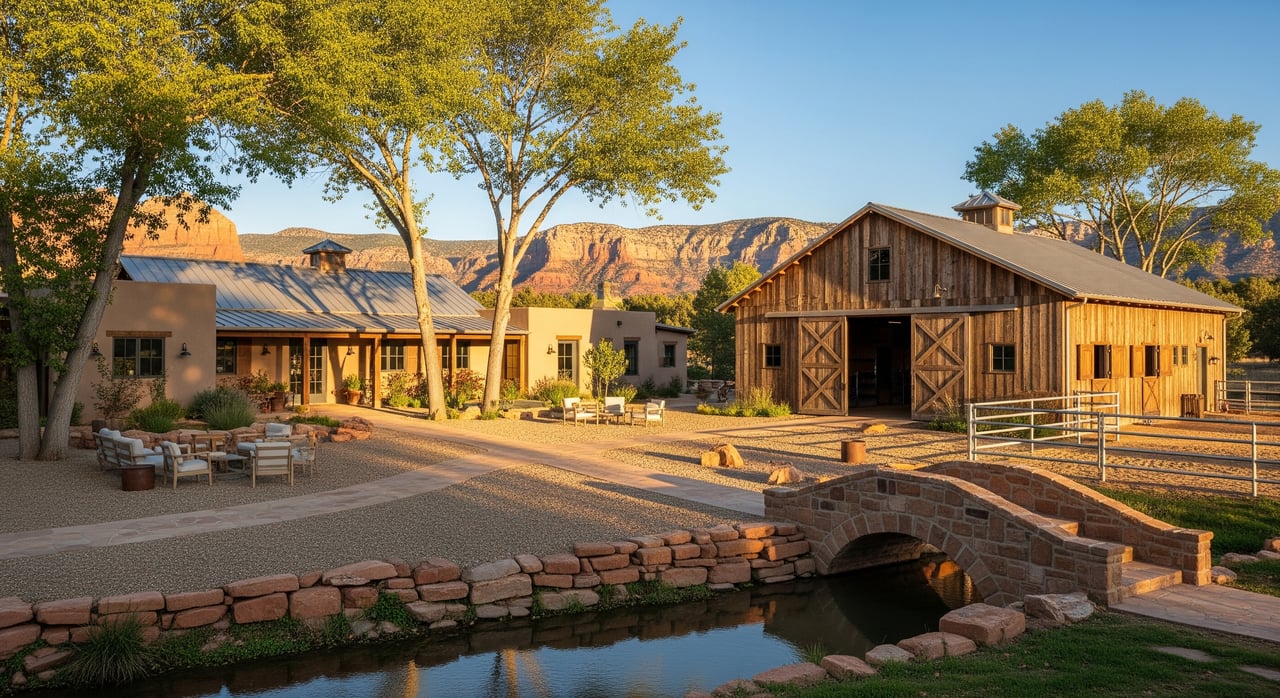
- Golden‑hour exteriors of the home and barn, plus close‑ups of arena footing, wash racks, tack storage, hay areas, and gates
- Interior barn and tack room shots staged clean and organized
- Creek photos that reflect seasonal variation where appropriate
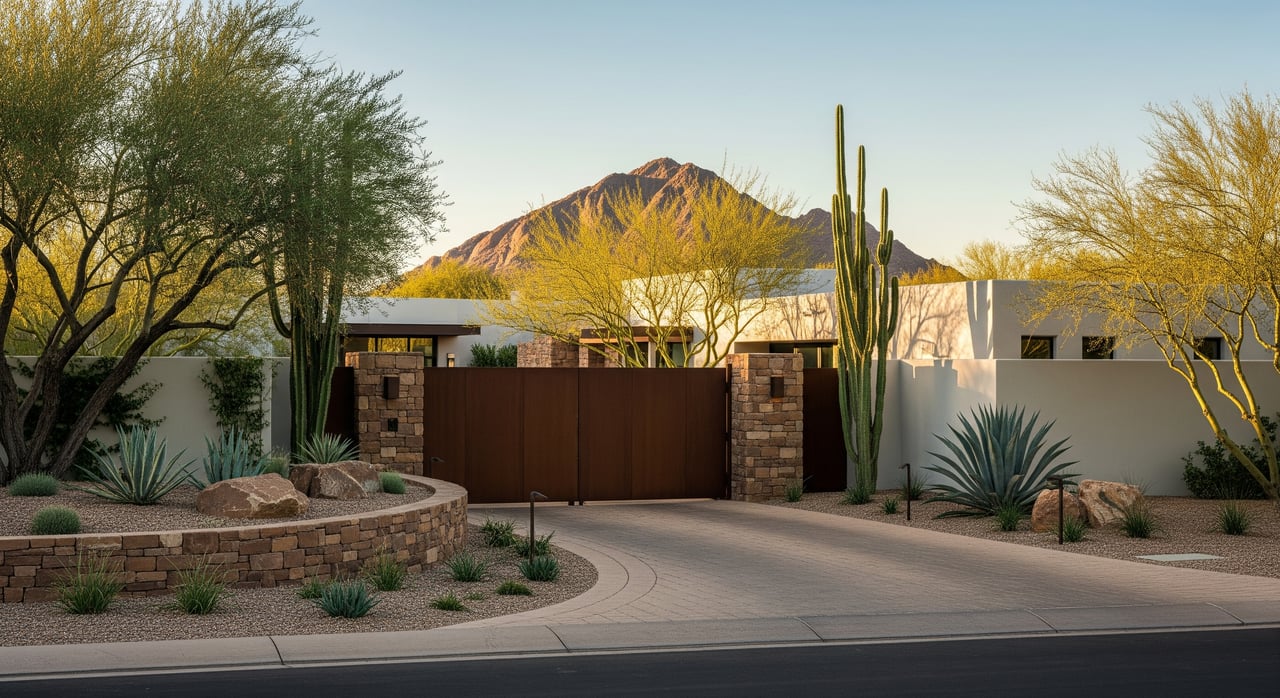
- Driveway and gate images that demonstrate trailer or RV access
Drone and timing
Confirm your photographer follows FAA rules and avoids flying over livestock. Schedule photography when pastures look their best. If your creek varies seasonally, consider a second photo set during higher flows to set accurate expectations.
Staging for photos
Remove personal photos and clutter inside the home and tack areas. Neatly stack hay. If you include horses for lifestyle shots, use calm animals, follow safety protocols, and ensure participants give consent.
Showings, safety, and privacy
Scheduling
Pre‑approve windows that avoid feeding and turnout routines to reduce stress on animals. Give agents clear arrival instructions, including gate codes, parking spots, and any bridge or crossing limits.
On‑site safety and biosecurity
Ask visitors to avoid active pastures. Provide disposable boot covers if you want added biosecurity. Secure stall doors and remove halters or lead ropes to prevent accidental escapes.
Privacy and security
Consider cropping house numbers and neighboring properties from public photos. Do not post gate codes publicly; use secure, broker‑managed access. Request feedback after showings to refine your plan.
Occupant coordination and events
Give written guidance to tenants or any occupants about showings and how to secure personal items. Traditional open houses rarely fit properties with livestock. Use private, appointment‑only tours to control traffic and reduce risk.
Build a buyer‑ready packet
Prepare a concise packet for serious buyers to review on site and after tours. This creates confidence and reduces back‑and‑forth during inspection periods.
- Property overview: acreage, number and size of stalls, arena dimensions and footing, pasture acres and fencing type
- Systems snapshot: well gpm and latest water test, septic type and last service date
- Access specs: driveway layout, gate widths, trailer turning areas, and any bridge limits
- Creek notes: floodplain status, recent high‑water events, and bank work with receipts
- Maintenance logs and any available as‑builts for equestrian structures
Quick pre‑listing checklist
- Deed, survey or plat, parcel number, and tax records
- Seller disclosure forms prepared with your agent
- Well log, flow test, and current water quality report
- Septic inspection and pump receipt
- Permits and maintenance logs for barns, arenas, fencing, and irrigation
- Clear debris, fix visible fencing and roof items, and tidy manure or hay areas
- Create defensible space per local fire guidance
- Freshen arena footing and stage a show‑ready stall and tack room
- Schedule professional photography and, if appropriate, drone footage
- Produce a one‑page facts sheet with key numbers and specs
Local resources to consult
- Yavapai County Recorder and Assessor for deeds, parcels, taxes, and recorded easements
- Yavapai County Planning and Zoning or Public Works for permits, setbacks, and road guidance
- Arizona Department of Water Resources for well logs and groundwater information
- Arizona Department of Environmental Quality for onsite sewage system guidance
- FEMA flood mapping resources for floodplain status
- Local fire district and Arizona State Forestry for defensible space standards
- Arizona Game and Fish and U.S. Fish and Wildlife Service for riparian or sensitive species questions
- Licensed well and septic contractors, equine facility builders, and riparian engineers
Your next step
The right prep turns a special Cornville property into a confident, low‑friction sale. Focus on systems, safety, and transparency, then present the lifestyle with polished photos and a buyer‑ready packet. If you want a customized plan for your acreage, equestrian, or creek‑side home, connect with Amy D. Brown for discreet, high‑touch guidance and premium marketing.
FAQs
What should Cornville sellers test for in private wells?
- At minimum, document flow rate in gpm and static level, and run a certified water quality test for bacteria, nitrate, total dissolved solids, and arsenic where relevant.
How do I prepare a septic system in Yavapai County before listing?
- Schedule a professional inspection and pump service, gather permits and drain field maps, and keep receipts to include in your buyer packet.
What do equestrian buyers ask about barns and arenas?
- Buyers want stall count and sizes, hay and tack storage, wash racks, trailer access, fencing type, arena dimensions, footing composition, and drainage or irrigation details.
How can I reduce wildfire concerns around rural improvements?
- Create defensible space by trimming brush near structures, cleaning up debris, and following guidance from your local fire district and Arizona State Forestry.
What disclosures matter for Cornville creek‑side properties?
- Clarify floodplain status, seasonal flow patterns, any past flooding or bank repairs, access or easements along the creek, and whether any permits apply to maintenance.
Are drones recommended for marketing large acreage and equestrian homes?
- Yes, when flown by a compliant operator who follows FAA rules, avoids spooking animals, respects neighbor privacy, and carries proper insurance.
How should I handle showings when animals are on site?
- Set appointment windows that avoid feeding and turnout, provide clear parking and route instructions, secure stall doors, and limit access to active pastures for safety and biosecurity.