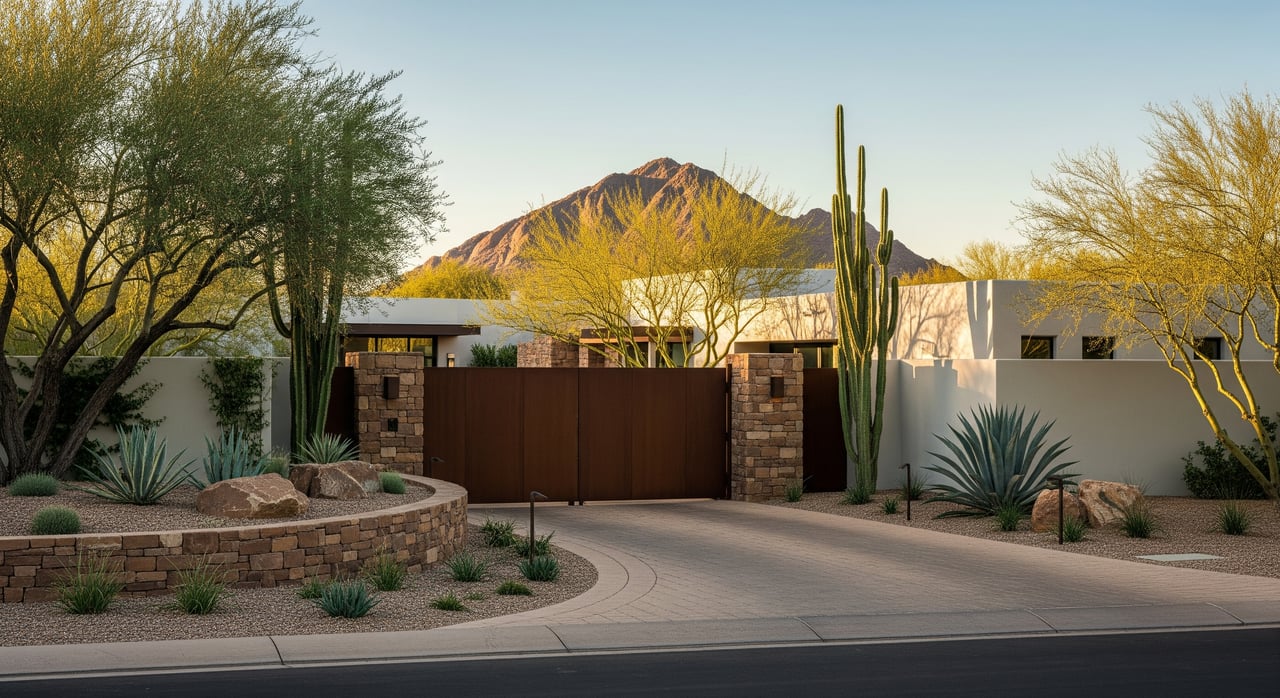
Choosing Paradise Valley HOA vs Non‑HOA Living
November 21, 2025
November 21, 2025
Thinking about a gated HOA community or an independent estate in Paradise Valley Village? You are not alone. Many luxury and second‑home buyers weigh the ease of HOA services against the freedom of non‑HOA living. In this guide, you will learn how each option works in this part of Phoenix, what it costs, and the due‑diligence steps that help you buy with confidence. Let’s dive in.
Paradise Valley Village sits within the City of Phoenix. It is different from the neighboring Town of Paradise Valley next door. Each jurisdiction has its own zoning, permitting, and setback rules. If you want to confirm a property’s location, start with the City of Phoenix’s resources on its urban villages and permitting through the Planning & Development Department. You can explore the city’s portal via the City of Phoenix website.
For comparison, the independent Town of Paradise Valley operates under its own municipal rules. When you evaluate any property, verify which jurisdiction applies. It affects permits, setbacks, and what is allowed on the lot.
Many luxury properties in Paradise Valley Village sit in planned subdivisions or gated enclaves with homeowners associations. You will often find private roads, controlled access, perimeter walls, curated landscaping, and, in some cases, clubhouses or staffed security. HOAs are governed by recorded CC&Rs, bylaws, rules, and design guidelines, and they operate under Arizona statutes for condominiums and planned communities. For a high‑level primer on how associations function, the Community Associations Institute offers national perspective on HOA governance and reserves.
Most upscale associations use an Architectural Review Committee. Before you change exteriors or build, you typically submit plans. Rules often address:
Approval timelines can add weeks or months to a project. If you begin work without approval, you risk fines and stop‑work notices from the association. HOA approval never replaces city permits. You still need to follow City of Phoenix requirements through Planning & Development.
HOA budgets fund day‑to‑day services, common‑area insurance, and reserves for major repairs. Expect:
Before you buy, request the financials, reserve study, budget, recent minutes, and any disclosure of pending litigation or special assessments. Arizona provides statutory frameworks for planned communities and condominiums. You can review the Arizona Revised Statutes and consult the Arizona Attorney General’s consumer resources for additional guidance on community associations.
For executives and second‑home owners, the biggest draw is convenience. Gated access, private road upkeep, landscape maintenance, and community monitoring reduce your to‑do list when you are away. If you prefer low‑touch ownership, a well‑managed HOA with strong reserves can simplify life.
Paradise Valley Village also includes custom estates and older tracts without associations. These properties offer autonomy and room to create a distinctive residence.
Without HOA design oversight, you can often tailor landscaping, finishes, lighting, and amenities as city code allows. Some buyers value this freedom to create unique outdoor living areas, detached studios, or expanded garages. Your plans still must meet City of Phoenix building and safety requirements through Planning & Development.
No dues also means no shared services. You handle perimeter security, landscaping, private gate or driveway upkeep, and any road maintenance if it is not city‑maintained. Many second‑home owners hire property managers or service providers to monitor systems and respond to issues.
Non‑HOA homes are not subject to association rental restrictions, though city and state rules still apply. Always confirm local regulations with the city and review any deed restrictions recorded against the lot. To check parcel details, plats, or easements, use the Maricopa County Assessor and the Maricopa County Recorder.
Here is how each path typically compares for luxury and second‑home buyers:
HOA advantages
HOA tradeoffs
Non‑HOA advantages
Non‑HOA tradeoffs
To protect your interests, request and verify the following before you close:
If the property is in an HOA
For any property
Know your rights and obligations
Every buyer’s priorities differ. Use these scenarios to focus your search.
Look for gated HOA communities with professional management and solid reserves. Confirm staffing at gates, access policies for vendors and guests, and response protocols.
Target estate lots without associations or HOAs with permissive design rules. Budget for private security and landscape services, and confirm any maintenance obligations for roads or shared walls.
Compare HOA rental rules with city regulations. Non‑HOA properties often offer more flexibility, but you still need to comply with municipal requirements. Always verify any recorded deed restrictions and local ordinances.
Whether you lean toward an HOA’s structure or the freedom of a non‑HOA estate, the key is clarity. Verify the jurisdiction, review governing documents and financials, and confirm the true cost of ownership, including services you want handled versus tasks you prefer to manage privately. With the right due diligence, you can choose the Paradise Valley Village property that fits your lifestyle and long‑term plans.
If you would like a tailored list of on‑ and off‑market Paradise Valley Village properties that match your preference for HOA services or non‑HOA estate privacy, request a curated selection and the current HOA disclosure packages for properties of interest from Unknown Company. Get Access to My Private Listings.

New Listing
$900,000 • 2 Bed • 2 Bath • 1.06 Acres • Detached Art Studio



175 Arabian Drive | 2 Bed • 2 Bath • 1.06 Acres + Detached Art Studio




Team Update
I’m excited to welcome two new members to my team!
Amy combines her in-depth market insights with a tenacious work ethic. Whether you're looking to buy, sell, or invest, Amy is the dedicated professional you want by your side, guiding you every step of the way.