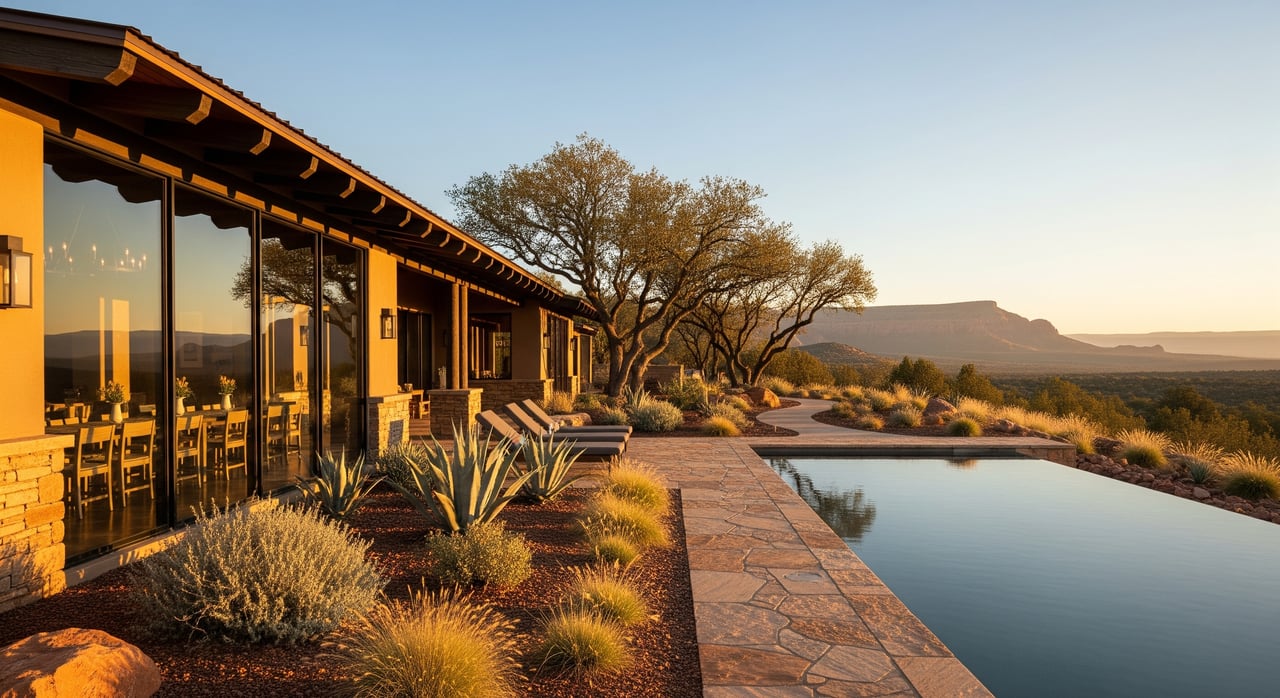
How To Price Your Cornville Home For Multiple Offers
January 15, 2026
January 15, 2026
Thinking about listing your Cornville acreage and hoping for multiple offers? You’re not alone. Rural properties in Yavapai County attract a unique mix of buyers, and the right price can spark strong competition. In this guide, you’ll learn how to set a data-driven price, select the right comps, and prepare your property so buyers move fast and bid confidently. Let’s dive in.
Cornville is a rural, unincorporated area near Cottonwood and Sedona, so buyers value acreage, privacy, and usable land as much as the home itself. Utilities, access, and well and septic status can swing value more than typical cosmetic upgrades. That is why the same price-per-square-foot logic used in subdivisions often falls short here.
Seasonal patterns also play a role. Retirees and second-home buyers can increase activity at certain times of year, while overall inventory levels influence whether a listing attracts multiple offers. In periods of low supply, a sharp price can ignite competition. When inventory rises, you need tighter pricing and stronger presentation to stand out.
Pricing for multiple offers starts with a realistic range, not a single number. You want a target supported by recent closed sales and current competition. In rural markets, you may need to expand your search radius and look a bit further back in time to find truly comparable properties.
Traditional comp rules need adjusting for Cornville acreage. Use this process:
Focus on the factors that drive value for rural buyers:
There is no single tactic that works in every market. Choose the strategy that fits current inventory and demand, and your risk tolerance.
This means pricing close to a well-supported CMA and the best available comps. It attracts serious buyers and often delivers strong net proceeds in stable conditions. You may not spark a bidding war every time, but you reduce the risk of sitting on the market.
Pricing a bit below estimated value or under a common search threshold can create urgency. If supply is tight and your presentation is strong, this can trigger multiple offers and a final sale above list. If demand is weak, though, you risk selling for less, so align this move with real-time inventory data.
Many buyers filter by price bands. Positioning just under a key threshold can increase your listing’s visibility. In acreage markets, these thresholds vary, so make sure the band aligns with your most likely buyer group.
Generating competition is about sequencing. You want momentum to build quickly and clearly.
Coordinate a polished launch with professional marketing and hold an offer review deadline after the first full weekend on market. This concentrates buyer activity and gives you multiple offers to compare at once. Always follow Arizona regulations and local MLS rules when setting and communicating deadlines.
Ask for pre-qualification letters or proof of funds with all offers. This filters out non-serious bids and keeps your negotiation focused. If a buyer includes an escalation clause or an appraisal-gap clause, understand the implications and discuss them with your agent before you respond.
Strong marketing expands your buyer pool and supports your price strategy:
The more certainty you provide, the more confident buyers feel. Confidence leads to stronger terms and fewer contingencies.
Gather and organize the paperwork that rural buyers and lenders want to see:
Making this documentation accessible reduces friction during due diligence and can help keep offers strong through escrow.
Handle visible repairs that affect buyer perception, like roof, siding, or window issues. Ensure the driveway and access points are passable and clearly marked. Clean up key sightlines, define parking and approach areas, and address basic fire mitigation where appropriate. These steps elevate perceived value and support firmer pricing.
When offers arrive, look beyond headline price. The best offer is the one most likely to close on your terms.
Compare offers using a net sheet that shows your bottom line after concessions and credits. Then weigh these additional factors:
Overpricing can kill momentum, while underpricing in a soft market can leave money on the table. Work with your agent to plan offer deadlines and clear communication. If you need legal clarity on deadlines or confidentiality, consult a real estate attorney. A structured process helps you choose the best total package, not just the highest number.
A well-built CMA for acreage in Cornville explains how each comp was chosen and adjusted. It blends closed sales with active and pending listings to reflect the current environment.
Gather these items before you go live:
If you want multiple offers, lead with a precise price, a polished launch, and documentation that builds trust. Cornville acreage is nuanced, and small differences in access, utilities, and usable land can have big pricing impacts. With the right strategy, you can attract more qualified buyers and negotiate stronger terms.
Have questions about the right list price, launch timing, or what to fix first? Connect with Amy D. Brown to get a tailored Cornville CMA and a private, high-touch plan for marketing your acreage to the strongest buyers.

New Listing
$900,000 • 2 Bed • 2 Bath • 1.06 Acres • Detached Art Studio
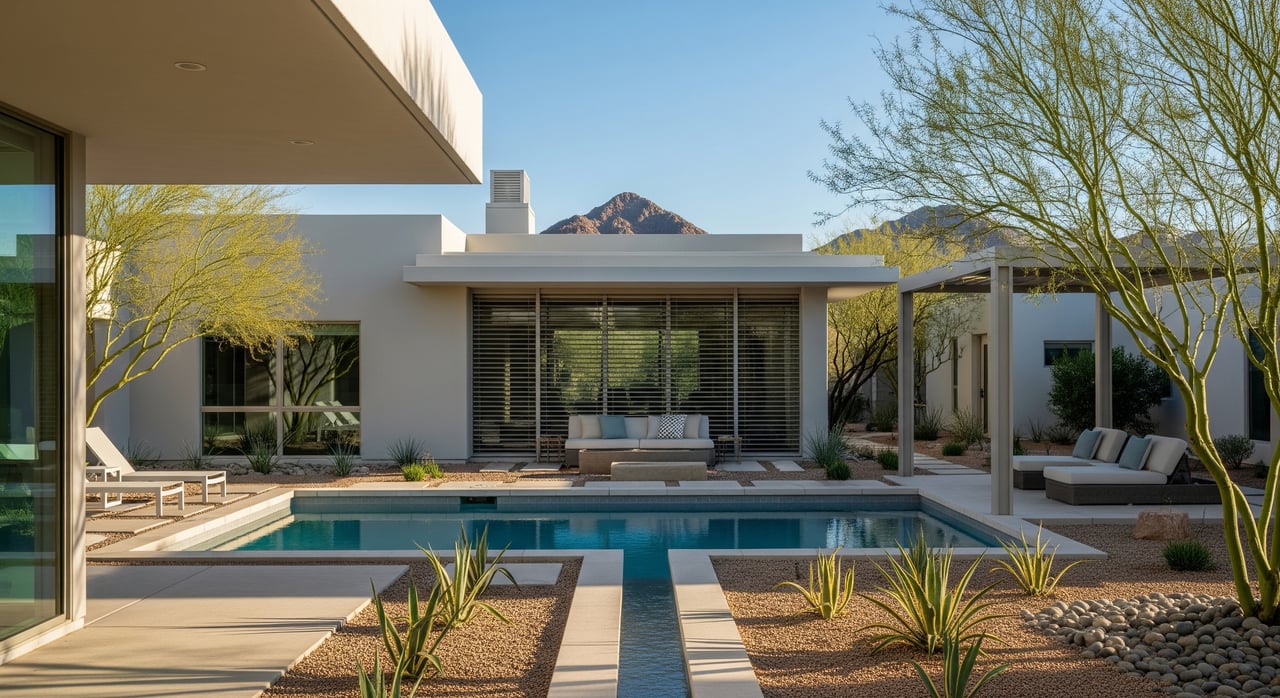
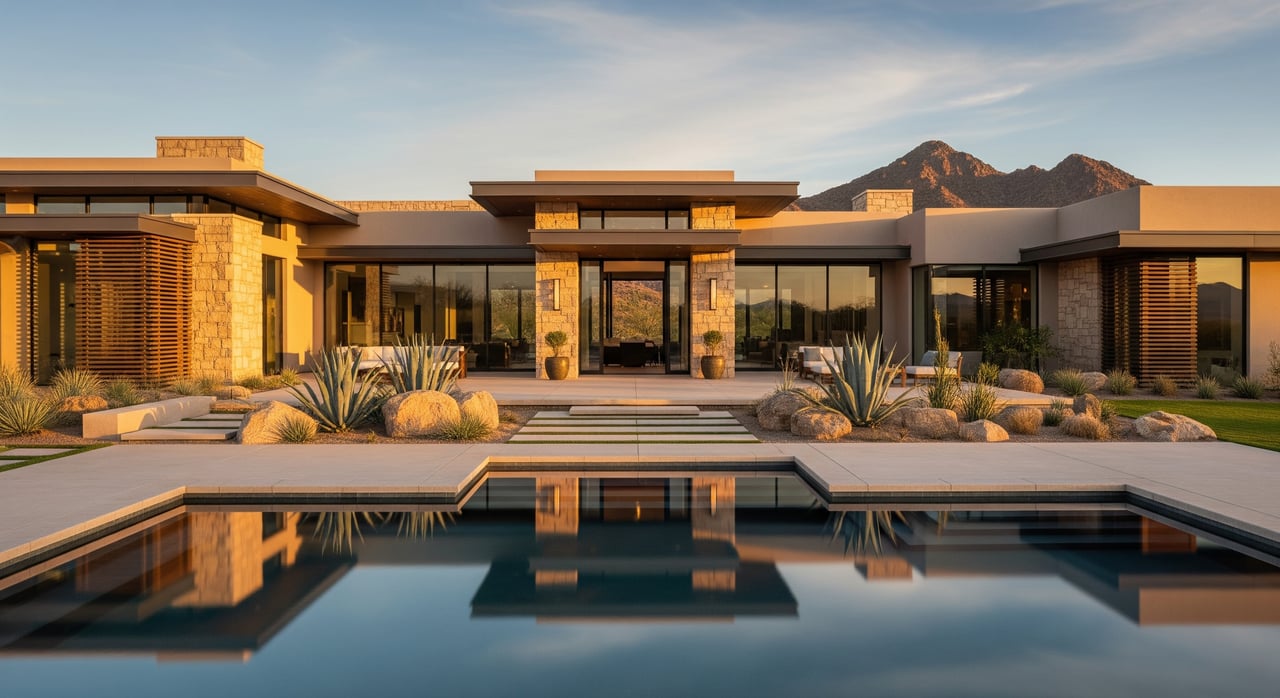
175 Arabian Drive | 2 Bed • 2 Bath • 1.06 Acres + Detached Art Studio

Team Update
I’m excited to welcome two new members to my team!
Amy combines her in-depth market insights with a tenacious work ethic. Whether you're looking to buy, sell, or invest, Amy is the dedicated professional you want by your side, guiding you every step of the way.